
Top picks: List of 5 Korean movies of all time
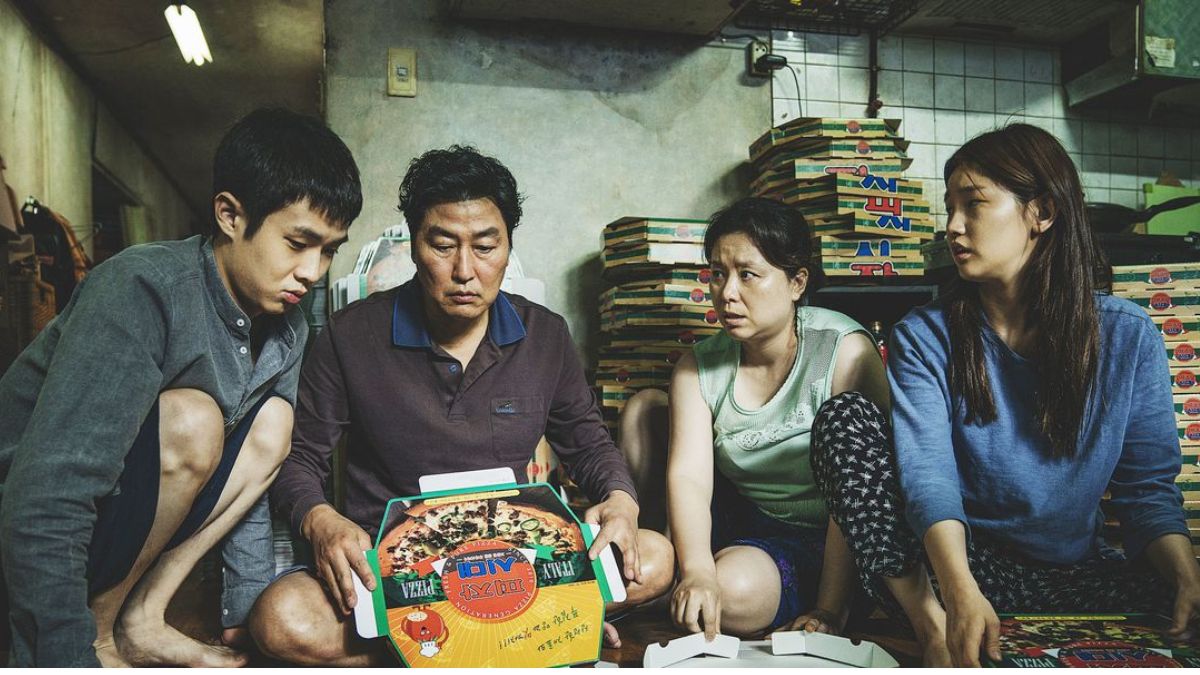
South Korean cinema reached new heights of recognition when “Parasite” clinched the Best Picture Oscar in 2020. However, the country’s film industry has been churning out compelling and innovative movies long before the world took notice. Beyond the political commentary and ultraviolence often associated with Korean cinema, you’ll find emotional melodramas, irreverent comedies, chilling horrors, and exhilarating action flicks. If you’re wondering where to start your cinematic journey into the world of Hallyuwood, consider these five Korean classics as your entry point:
1. “The Housemaid” (1960)
– Director: Kim Ki-young
– A favorite of acclaimed director Bong Joon ho, “The Housemaid” is often hailed as one of Korea’s greatest films. Director Kim Ki-young drew inspiration from a newspaper story about a family thrown into chaos by the arrival of a domestic helper. The housemaid, portrayed with a mix of coolness and passion by Lee Eun-shim, serves as the catalyst for chaos in this intoxicating narrative. The film delves into themes of class, sexual allure, and family dynamics, making it a captivating watch and a precursor to themes explored in “Parasite.”
2. “The Wailing” (2016)
– Director: Na Hong-jin
– “The Wailing” is a masterpiece of atmospheric horror that seamlessly weaves together various horror elements, including zombies, demons, and eerie children. The story follows a police officer’s frantic efforts to save a village from a mysterious virus that threatens his daughter. This film is a slow burn that expertly builds dread and suspense, immersing the audience in its chilling atmosphere.
3. “Parasite” (2019)
– Director: Bong Joon-ho
– “Parasite” is a cinematic landmark that achieved unprecedented success on the global stage. It became the highest-grossing Korean movie in multiple countries, earned the distinction of being the first non-English production to win a Best Picture Oscar, and is widely regarded as one of the finest films of the 21st century. Beyond its accolades, “Parasite” delivers a sharp critique of capitalism. The film portrays a destitute family’s infiltration of a wealthy one, leading to inevitable social upheaval. It combines biting social commentary with thrilling and often disturbing entertainment.
4. “A Tale of Two Sisters” (2003)
– Director: Kim Jee-woon
– “A Tale of Two Sisters” is an atmospheric horror film adapted from a folk story. Released during a significant year for Korean cinema, it echoes the haunting ambiance of “The Shining.” Set in a gothic mansion filled with ominous corridors, the film is elevated by Kim Jee-woon’s expert direction and Lee Byung-woo’s Hitchcockian score. It stands as a masterpiece of psychological horror, showcasing the prowess of Korean filmmaking.
5. “Memories of Murder” (2003)
– Director: Bong Joon-ho
– “Memories of Murder” is a thriller that often competes for the top spot in Bong Joon-ho’s filmography, even in the wake of “Parasite.” Centered on real-life murders that shook a small town in the 1980s, the film skillfully combines elements of a police procedural with a scathing indictment of a society ill-equipped to handle such violence. Bong’s signature black humor infuses the narrative as rural cops join forces with a city investigator to catch the killer. As the body count rises and clues remain elusive, a dark and intense melancholy envelops the film, demonstrating Bong’s mastery of storytelling.