Japan’s Top 5 Most Beloved Sports
Japan, a nation deeply enamored with sports, has a rich history of embracing various athletic endeavors. Here, we explore the top 5 sports that have captured the hearts of the Japanese people throughout the years.
1) Baseball:
Baseball has been the most popular sport in Japan for years because it has the longest history of a professional league in Japan. Mainly, people in higher age support the baseball popularity. It is because they were brought up watching baseball when Japan’s economy was constantly rising.
2) Soccer:
Soccer, the world’s most popular sport, occupies a prominent place in Japan. Its popularity soared after Japan’s successful World Cup 2010 campaign. The first national league emerged in 1965, featuring eight amateur company clubs. This marked the birth of the Japan Professional Football League, commonly known as J.League, consisting of nine teams from the semi-pro Japan Soccer League and the newly established Shimizu S-Pulse. Today, Japan boasts 18 professional soccer clubs, nurturing talents like Kazuyoshi Miura, Hidetoshi Nakamura, Shunsuke Nakamura, and more. The men’s national team, known as the Samurai Blue, commands a devoted following, while the Japan women’s national football team, Nadeshiko Japan, also enjoys a dedicated fan base.
3) Tennis:
Tennis occupies a special place in Japanese culture, marking the sport where Japan secured its first Olympic medals, both clinched by Ichiya Kumagai during the 1920 Antwerp Olympics. Tennis also played a role in the love story of Emperor Akihito and Empress Michiko, who first met on a tennis court in the resort town of Karuizawa in 1957. The manga series “The Prince of Tennis” has sold over 50 million copies, while Kei Nishikori’s rise to the top 10 in men’s singles tennis rankings since 2015 has further ignited the sport’s popularity.
4) Golf:
Initially, golf in Japan was a pastime enjoyed primarily by expatriates and Western-educated Japanese individuals. The sport gained broader appeal when a course opened in Tokyo in 1914, attracting members of Japan’s traditional elite. By 1940, a remarkable 71 golf courses dotted the country’s landscape. Following World War II, as Japan’s social structure underwent transformation, the middle class embraced golf, viewing it as a venue for business and a symbol of upward mobility, at least until the early 1990s economic bubble burst.
5) Boxing:
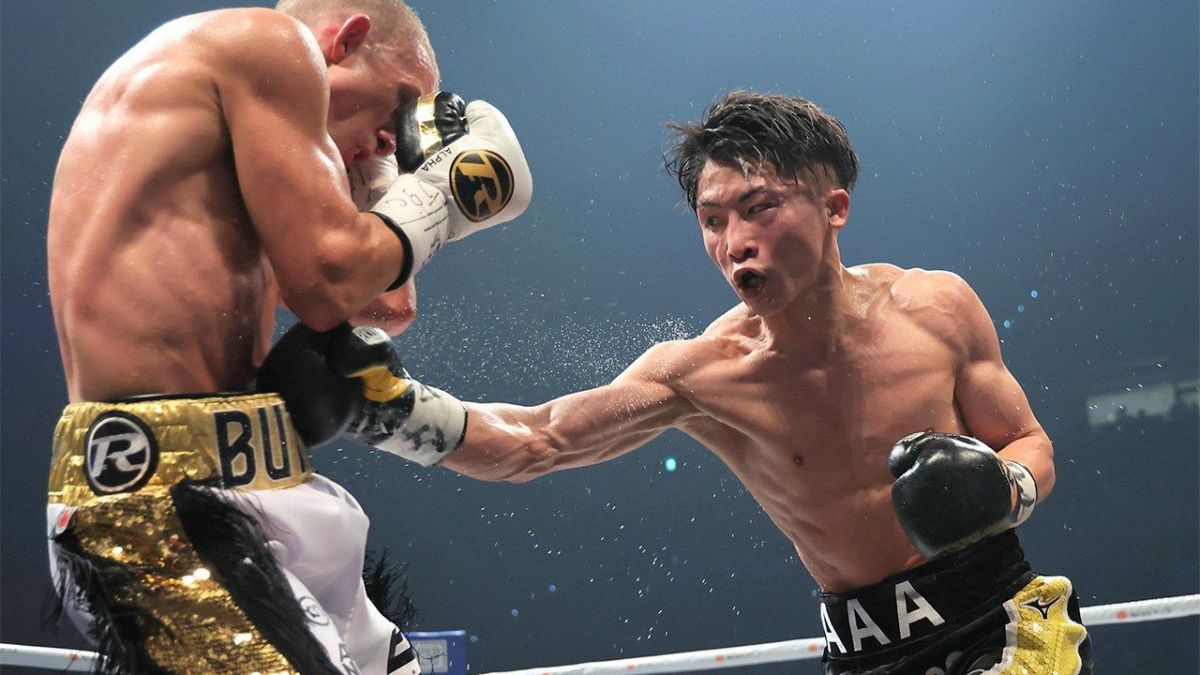
Boxing found its place in Japan’s sporting landscape under the guidance of Yujiro Watanabe, hailed as the father of Japanese boxing. He honed his skills in California from the age of 16 before returning to Japan to establish the Nippon Kento Club in 1921. Over time, numerous boxing federations emerged, culminating in the creation of the All-Japan Professional Kento Association in 1931. This association would eventually evolve into the Japan Pro Boxing Association (JPBA), a name it has retained since 2000. Pro boxing in Japan is regulated by the Japan Boxing Commission (JBC), encouraging bouts within the country’s borders.