
US Accuses China and Russia of Blocking Unified UN Response to North Korea’s Missile Launches
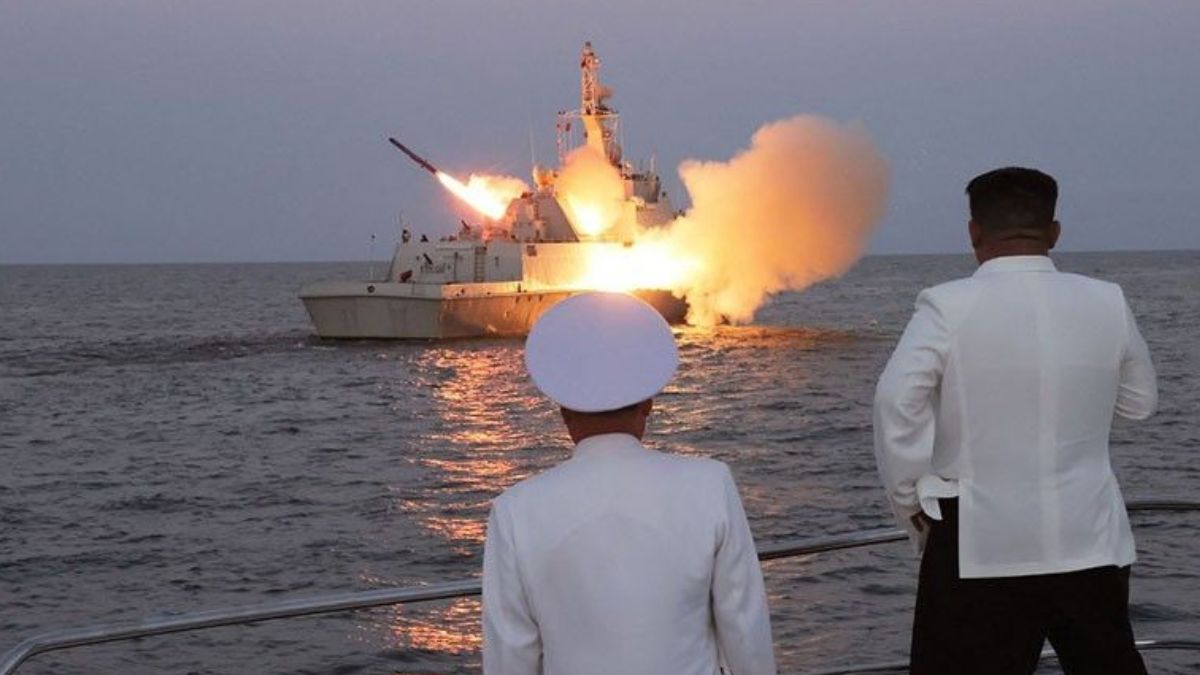
The United States has accused China and Russia of obstructing a unified response from the United Nations Security Council concerning North Korea’s recent missile launches, which include the attempted launch of a spy satellite on Thursday (Aug 25).
In an emergency meeting of the Security Council, all but two of the 15 members – Moscow and Beijing – voiced condemnation for North Korea’s actions. This marks Pyongyang’s second test of a spy satellite within a span of three months, utilizing ballistic missile technology.
The attempt by North Korea to put a spy satellite into space using ballistic missile technology has drawn widespread concern and condemnation from the international community. While 13 of the Security Council’s members expressed their disapproval during the emergency meeting, China and Russia abstained from such a unified response.
This refusal to align with the rest of the Security Council members raises questions about China and Russia’s stance regarding North Korea’s activities. It also underscores the challenges in achieving consensus on how to address the situation and implement effective measures to deter North Korea’s missile ambitions.
Both China and Russia hold veto power as permanent members of the Security Council, granting them the ability to block any resolutions or actions put forward by the council. Their divergence from the majority’s stance on North Korea’s missile launches could complicate efforts to establish a coherent international approach to address this escalating issue.
The international community’s concern over North Korea’s missile capabilities stems from the potential security threats posed by these advancements. The use of ballistic missile technology for satellite launches raises questions about North Korea’s intentions and the implications for regional stability. It also highlights the need for diplomatic efforts to prevent further escalation and encourage North Korea to engage in constructive dialogue.